Things That Scare Us: The 24/7 News Cycle
You open your phone to check one thing, and forty minutes later your chest is tight and your mind has run through every worst case in the headlines. As a licensed mental health counselor at Therapy with Enid, I work with highly sensitive women and with anxiety, and this post covers news anxiety, why the 24/7 news cycle hits sensitive people hard, and gentler ways to stay informed. It is part of my Things That Scare Us series, which also includes being easily startled.
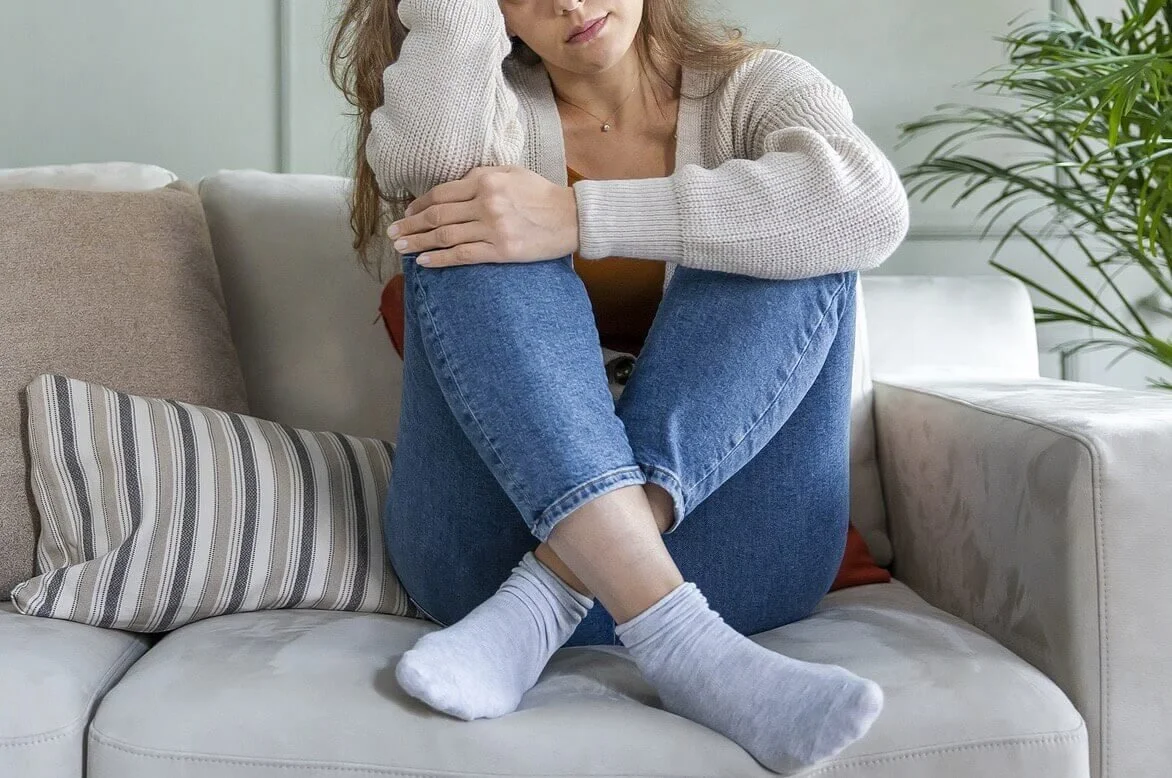
Why the News Hits Sensitive People Hard
Headlines are written to hold your attention, and the strongest way to do that is with alarm. Coverage runs all day, stories are framed in the most dramatic way available, and very little of it is designed with trauma in mind. If you are highly sensitive, you tend to process emotional information deeply and feel other people’s distress as your own, so a stream of crisis can land in your body as well as your mind.
The research on this is mostly correlational, but it points in one direction. In a well-known study after the 2013 Boston Marathon bombing, people who followed six or more hours of bombing-related coverage a day reported more acute stress than some people who were there. Heavy news use does not cause anxiety in everyone, and it is still worth noticing how you feel after you scroll. Sensitive women often tell me the news shows up in a few ways:
Sleep. Images and worries replay at bedtime and keep your mind busy long after the screen is off.
Stress. You feel tense, irritable, or on edge for hours after a news session.
Helplessness. You absorb a lot of pain you cannot do anything about, which can leave you flat or hopeless.
My Own Choice
I do not watch the news. I made that decision a while ago, and I have never regretted what it did for my sleep and my mood. If something important happens, someone in my life tells me, and I can look into it on my terms. That works for me, and you can decide what level of news suits you.
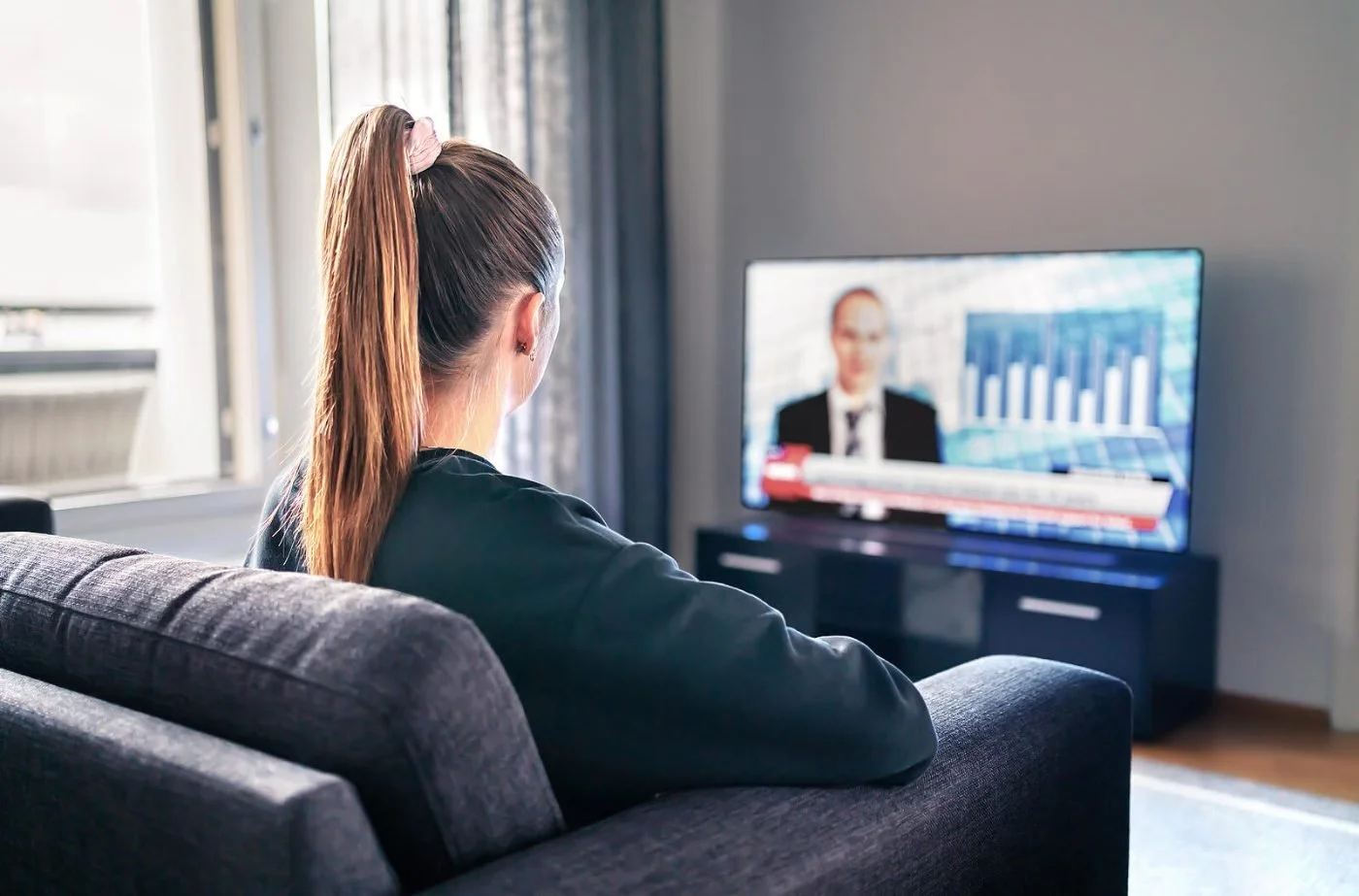
Protecting Your Space
You are allowed to unplug, and being informed does not require being flooded. The Anxiety and Depression Association of America offers tips for when watching the news is making your anxiety worse, and a few of the ideas I share with clients look like this:
Choose a window. Check the news for fifteen minutes once a day, and keep it away from the first hour after you wake up and the last hour before bed.
Pick gentler formats. A short podcast, a news app with a summary, or an email roundup such as The Skimm or The Newsworthy gives you the facts without the loop.
Add some good news. Follow a few accounts that share hopeful stories, so the balance of what you see each day tips back toward the world you want to live in.
“I would rather not get into the news tonight, can we talk about something else?”
That sentence works with family, coworkers, and friends, and you can say it kindly and without a lecture. If one particular kind of story brings up a personal history for you, a trauma-informed therapist is the right person to help, and that is a different job than any media diet can do.
If worry from the news follows you into the rest of your day, you can read more about anxiety therapy in Florida. Your attention is yours to spend, and you get to decide what deserves it.
Therapy for News Anxiety in Florida
If you are a woman in Florida who sees herself in this post, I would love to support you. I am a licensed therapist, and I offer online therapy in Florida for women who want to calm news-driven worry and feel steadier day to day. If worry and overwhelm are a big part of what you are carrying, you can read more about anxiety therapy in Florida. Contact me to tell me a little about what you are looking for, and we can talk about whether working together feels like a good fit.
Enid DeJesus is a licensed mental health counselor who provides online therapy in Florida for high-achieving, highly sensitive women. She helps women manage anxiety, protect their peace, and stay informed without feeling overwhelmed. Her approach is warm and solution-focused, and her work centers on practical skills for anxiety and healthy limits. If the headlines leave you on edge, she would love to hear from you.